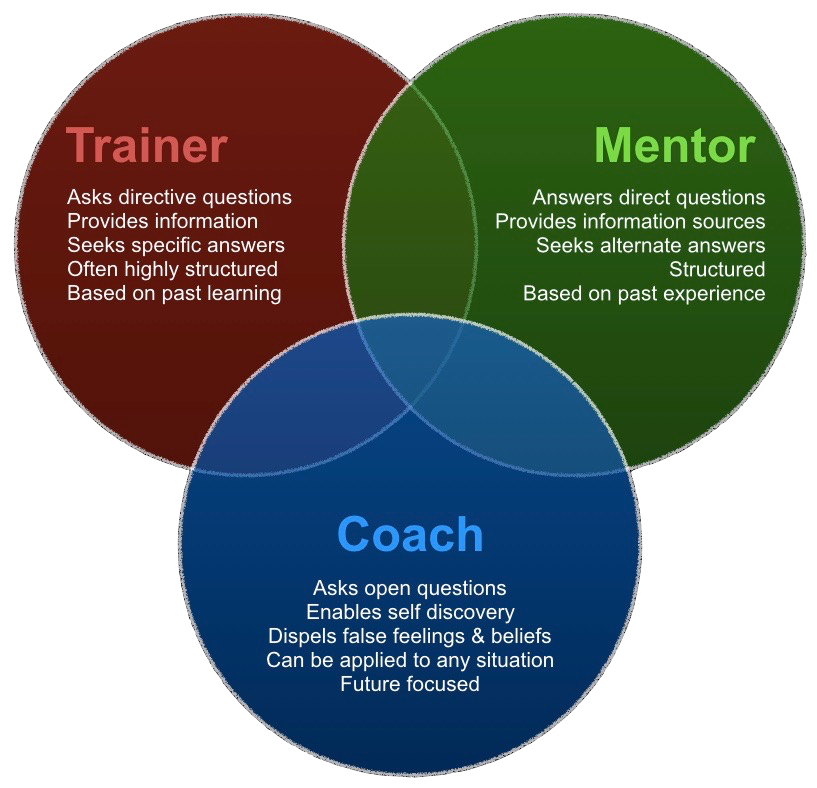
Leadership coaching, mentoring, and training serve different leadership development needs.
- Leadership coaching is best for behavior change, decision-making, and leadership impact
- Mentoring is best for guidance based on experience
- Training is best for building specific skills or knowledge
For senior leaders and high-growth organizations, leadership coaching delivers the highest long-term impact because it focuses on how leaders think, decide, and lead in real situations.
Why This Question Matters More Than Ever
As organizations grow more complex, leaders are expected to:
- Make better decisions with incomplete information
- Align diverse teams
- Lead through change and uncertainty
- Scale leadership capability, not just execution
Many organizations invest heavily in leadership development—but choose the wrong approach for their actual leadership challenges. Understanding the difference between leadership coaching, mentoring, and training helps leaders and organizations invest wisely.
What Is Leadership Coaching?
Leadership coaching is a structured, one-on-one development process that helps leaders improve their effectiveness by increasing self-awareness, strategic thinking, and leadership capability.
Leadership coaching focuses on:
- Real leadership challenges
- Decision-making and judgment
- Leadership behavior and mindset
- Business and people outcomes
Rather than giving advice, leadership coaching helps leaders discover better ways of thinking and leading.
What Is Leadership Mentoring?
Leadership mentoring involves guidance from a more experienced leader who shares insights, advice, and lessons from their own journey.
Mentoring typically focuses on:
- Career navigation
- Industry or role-based guidance
- Learning from experience
- Informal leadership support
Mentors provide perspective—but they do not usually challenge leadership patterns or drive structured behavior change.
What Is Leadership Training?
Leadership training is a structured learning program designed to teach leadership concepts, frameworks, or skills—usually in a group setting.
Leadership training often includes:
- Workshops or seminars
- Leadership models and tools
- Skill-based learning (communication, delegation, feedback)
Training is effective for knowledge and skill acquisition, but it rarely addresses individual leadership context.
Leadership Coaching vs Mentoring vs Training: Key Differences
| Aspect | Leadership Coaching | Leadership Mentoring | Leadership Training |
|---|---|---|---|
| Focus | Behavior & impact | Advice & guidance | Skills & knowledge |
| Customization | Very high | Medium | Low |
| Structure | Highly structured | Informal | Pre-defined |
| Timeframe | Ongoing | Long-term | Short-term |
| Business Alignment | Strong | Depends on mentor | Often generic |
| Accountability | High | Low | Low |
| Best For | Senior leaders, CXOs | Career growth | Skill building |
Which Approach Works Best for Leaders?
When Leadership Coaching Works Best
Leadership coaching is ideal when:
- Leaders are making high-impact decisions
- Growth is creating complexity
- Teams are misaligned or dependent
- Leadership blind spots are limiting scale
This is why leadership coaching for executives is widely used in high-growth and high-stakes environments.
When Mentoring Is the Right Choice
Mentoring works best when:
- Leaders want career guidance
- Industry insights are needed
- Experience-sharing is valuable
Mentoring supports leadership growth—but does not replace coaching.
When Leadership Training Makes Sense
Leadership training is effective when:
- New managers are being developed
- A common leadership language is needed
- Specific skills must be built quickly
Training alone, however, rarely produces sustained leadership change.
Why Leadership Coaching Delivers the Highest ROI
Leadership coaching addresses the root of leadership effectiveness:
- How leaders think
- How they interpret situations
- How they respond under pressure
This leads to:
- Better decisions
- Stronger leadership presence
- Higher team accountability
- Sustainable performance improvement
For organizations, leadership development coaching creates long-term leadership capacity, not just short-term capability.
Can These Approaches Work Together?
Yes—when used intentionally.
High-performing organizations often:
- Use training to build foundational skills
- Use mentoring for career and contextual guidance
- Use leadership coaching to drive transformation and impact
However, coaching remains the core leadership lever at senior levels.
Common Mistake Organizations Make
Many organizations rely heavily on training when the real challenge is:
- Leadership behavior
- Decision-making quality
- Accountability and alignment
Without leadership coaching, training insights often remain theoretical.
How to Choose the Right Leadership Development Approach
Ask these questions:
- Are we trying to change behavior or teach skills?
- Is the challenge individual or collective?
- Do leaders need advice—or self-awareness and clarity?
- Is business impact a priority?
If the answer points to behavior, judgment, and leadership impact, leadership coaching is the most effective choice.
Final Thoughts: Leadership Development Is Not One-Size-Fits-All
Leadership coaching, mentoring, and training all have value—but they solve different leadership problems.
For leaders operating in complexity and growth, leadership coaching provides the depth, personalization, and impact required to lead effectively.
That’s why it remains the most powerful leadership development investment for senior leaders and organizations.