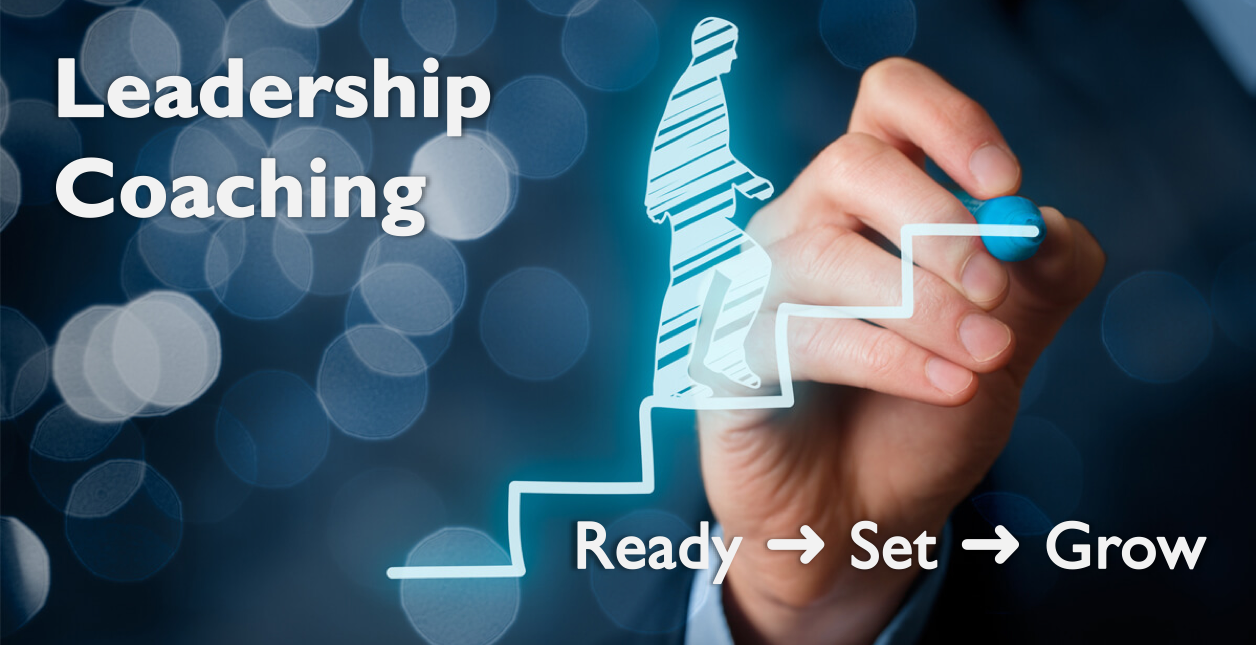
A leadership coaching program is a structured, one-on-one development engagement where leaders work with a coach to improve decision-making, self-awareness, leadership behavior, and business impact.
It typically includes goal setting, regular coaching conversations, reflection, action planning, and measurable leadership outcomes aligned with business priorities.
Why Leaders Ask This Question
Leaders considering coaching often wonder:
- What actually happens during coaching?
- Is it practical or theoretical?
- How does it help real business challenges?
- What outcomes should I expect?
A well-designed leadership coaching program is structured, rigorous, and deeply relevant—not vague or motivational.
The Core Objective of a Leadership Coaching Program
The purpose of leadership coaching is not to give advice or teach leadership theory.
Its objective is to:
- Strengthen leadership thinking
- Improve decision quality
- Shift unhelpful leadership patterns
- Increase leadership impact at scale
Leadership development coaching focuses on how leaders show up, not just what they know.
Key Phases of a Leadership Coaching Program
1. Leadership Context & Goal Definition
Every effective coaching program starts with clarity.
This phase includes:
- Understanding the leader’s role and responsibilities
- Identifying current leadership challenges
- Defining desired leadership outcomes
- Aligning coaching goals with business priorities
Without context, coaching lacks impact.
2. Leadership Self-Awareness & Insight
This phase focuses on:
- Leadership style and impact
- Strengths and blind spots
- Decision-making habits
- Emotional and behavioral patterns
Leaders often discover that what feels effective to them may land differently with others.
Self-awareness is the foundation of sustainable leadership growth.
3. Strategic Thinking & Decision-Making
Leadership coaching helps leaders:
- Improve strategic judgment
- Reframe complex problems
- Balance short-term and long-term thinking
- Navigate ambiguity with confidence
This is especially valuable for senior leaders making high-stakes decisions.
4. Behavior Change & Skill Application
Insight alone does not change leadership.
This phase focuses on:
- Translating awareness into action
- Practicing new leadership behaviors
- Strengthening communication and influence
- Improving delegation and accountability
Coaching ensures learning is applied, not abstract.
5. Reflection, Feedback & Adjustment
Between sessions, leaders:
- Apply insights in real situations
- Observe outcomes
- Reflect on what worked and what didn’t
Coaching conversations then:
- Deepen learning
- Refine leadership approach
- Reinforce effective behaviors
This cycle drives lasting leadership change.
What a Typical Coaching Session Looks Like
A leadership coaching session usually includes:
- Discussion of current leadership challenges
- Reflection on recent decisions or interactions
- Exploration of leadership patterns
- Strategic reframing
- Clear action commitments
Sessions are focused, confidential, and grounded in real leadership moments.
How Long Does a Leadership Coaching Program Last?
Most leadership coaching programs last:
- 3 to 6 months for targeted leadership shifts
- 6 to 12 months for deep leadership transformation
The duration depends on:
- Leadership role
- Business complexity
- Desired outcomes
Leadership development is a process—not a one-time event.
What Outcomes Can Leaders Expect?
Effective leadership coaching benefits include:
- Clearer thinking and priorities
- Stronger leadership presence
- Better decision-making
- Improved team alignment
- Increased confidence under pressure
Organizations often see:
- Faster execution
- Reduced leadership friction
- Higher engagement
- Stronger leadership bench strength
What Leadership Coaching Is NOT
Leadership coaching is not:
- Therapy
- Consulting advice
- Motivational speaking
- Generic training
It is a professional development partnership focused on leadership effectiveness.
Why Leadership Coaching Works When Other Approaches Don’t
Leadership coaching works because:
- It is personalized
- It addresses real challenges
- It builds internal capability
- It adapts as leadership context evolves
This makes leadership coaching for executives especially powerful in fast-changing environments.
Who Gets the Most Value from Leadership Coaching?
Leadership coaching delivers the highest impact for:
- Founders scaling their organizations
- CXOs navigating complexity
- Senior leaders stepping into bigger roles
- High-potential leaders being prepared for future leadership
Final Thoughts: Leadership Growth Is a Process
A leadership coaching program is not about fixing problems—it’s about developing leadership capacity to meet growing demands.
The most effective leaders invest in coaching not because they lack ability—but because they understand the value of intentional leadership growth.