Introduction: Planning Is Easy. Execution Is the Real Challenge.
Every year, entrepreneurs and business owners invest time in creating annual plans, revenue targets, budgets, growth strategies, and expansion ideas. Yet, studies and real-world experience consistently show that a majority of businesses fail not because of poor planning, but because of poor execution.
The gap between planning and performance is where most businesses struggle.
The Real Reasons Annual Plans Fail
1. Plans Are Created Without Clear Ownership
Many annual plans fail because no one owns the outcome.
Businesses often set goals like “Increase revenue by 20%”, “Improve profitability”, “Expand into new markets” — but fail to answer: Who is responsible? What exactly needs to be done? By when?
Fix: Assign specific owners to every major goal and initiative.
2. Annual Plans Are Not Linked to Daily Operations
One of the biggest execution mistakes is treating the annual plan as a separate document, disconnected from day-to-day operations.
Fix: Convert your annual plan into an Annual Operating Plan (AOP) that breaks goals into quarterly priorities, monthly targets, weekly execution checkpoints.
How to Create an Annual Operating Plan for Your Business (2026 Guide)
3. Budgets Don’t Support Strategy
Many businesses claim ambitious growth plans, yet their budgets tell a different story.
Execution succeeds when budgets are aligned with strategy, not created independently. Strategic budgeting, one of the core focus areas at Aarambh 2026 ensures financial resources actively support business priorities.
4. No Clear Metrics to Track Progress
“What gets measured gets managed.” Yet many businesses track too many KPIs, irrelevant metrics, or review performance too late.
Fix: Identify 5–7 critical KPIs directly linked to your annual goals. Review consistently.
5. Lack of Review Rhythm and Course Correction
Most annual plans are reviewed once at the end of the year — when it’s too late.
Fix: Build structured monthly/quarterly review cadence into your operating plan.
How to Fix the Execution Gap in 2026
- Move From Annual Plans to Annual Operating Plans
Integrate strategy, budgeting, KPIs, resource allocation, and accountability. - Build Execution Capability, Not Just Strategy
Join hands-on workshops like Aarambh 2026 (18th & 19th February 2026). - Learn From Experts and Peer Businesses
Collective learning reduces blind spots and accelerates implementation.
Why Workshops Like Aarambh 2026 Matter
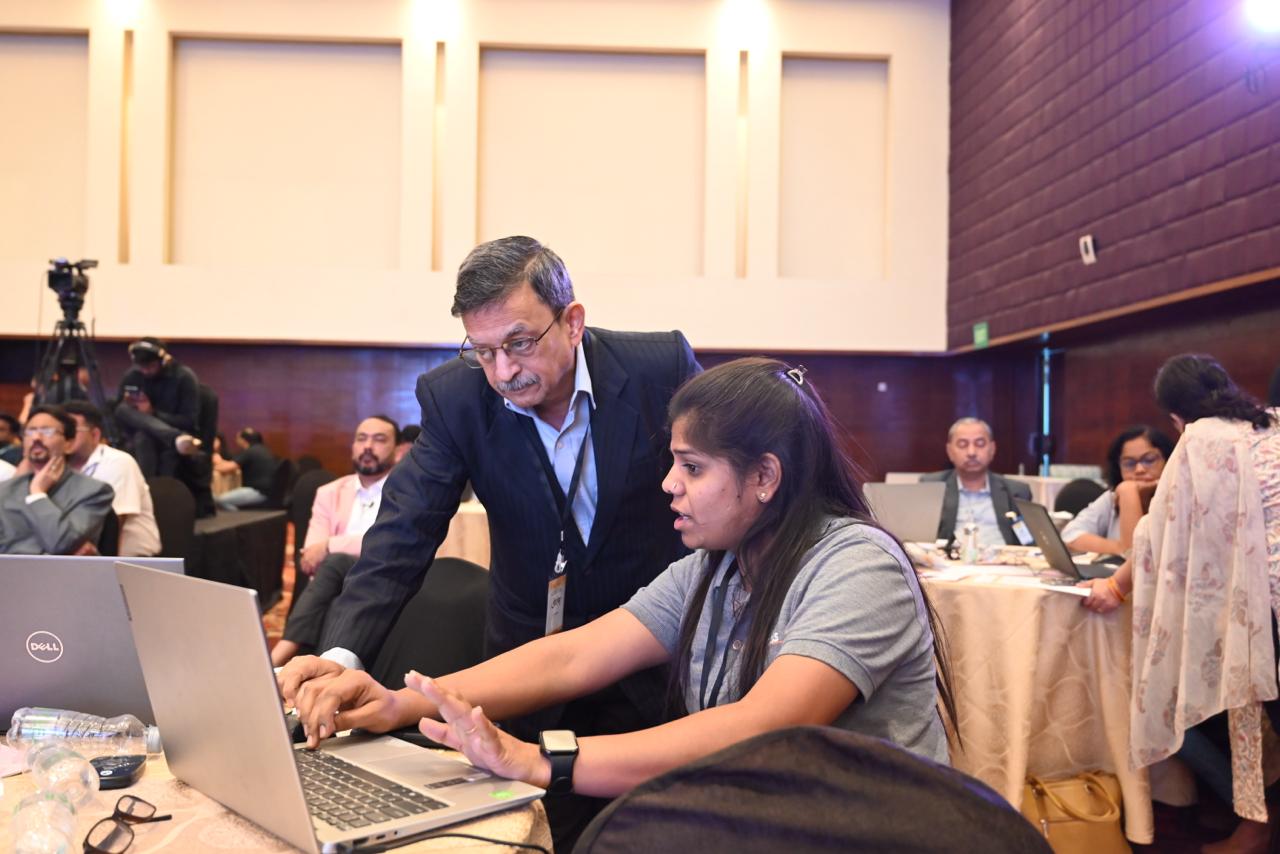
Aarambh 2026 is a 2-day hands-on operating workshop where participants work on their own business plans, learn tested execution frameworks, and leave with actionable tools.
Aarambh 2026 – Annual Operating Workshop
📅 Dates: 18th & 19th February 2026
⏱ Duration: 2 Days
🎯 Focus: Annual Operating Planning, Strategic Budgeting & Execution
Conclusion: Execution Is the Real Competitive Advantage
In 2026, businesses won’t win by planning more — they'll win by executing better.
The difference between success and stagnation lies in clear accountability, strategic budgeting, measurable KPIs, consistent review, and strong execution discipline.